CPG Recruiters Bentonville AR
479-285-2262


At Match Point Recruiting, we spend every day in active searches across the consumer goods and Walmart supplier ecosystem. One thing has become increasingly clear over the past year: job descriptions are getting more detailed, more specific, and more demanding than ever before.
What used to be a general set of requirements has evolved into tightly defined profiles that combine technical skills, category experience, and very particular key differentiators.
From the client side, this makes sense—companies are under pressure to execute faster, reduce risk, and hire people who can make an immediate impact. But from the talent side, these changes have made the market feel narrower and harder to navigate.
From our vantage point in Bentonville, three consistent trends are driving this shift—and understanding them is critical for both candidates and hiring leaders.
One of the most noticeable changes in job descriptions is the move toward explicit, skill-based hiring criteria.

Hiring managers are no longer satisfied with broad statements like “strong analytical skills” or “data-driven mindset.” Instead, we’re seeing very specific requirements tied to tools and platforms such as:
This reflects the reality of today’s consumer goods environment. Data is more accessible, expectations are higher, and managers are expected to interpret insights quickly—often without layers of support.
As a result, job descriptions increasingly resemble a skills checklist, not just a leadership profile.
Candidates who have experience across multiple tools and systems stand out immediately. Even when a role requires only one or two platforms, broader exposure signals adaptability and reduces perceived risk for hiring managers.
We consistently see that candidates who have worked with several tools—rather than staying locked into one specific technical skill —have more options as they progress in their careers.
The second major trend is tightening category requirements.
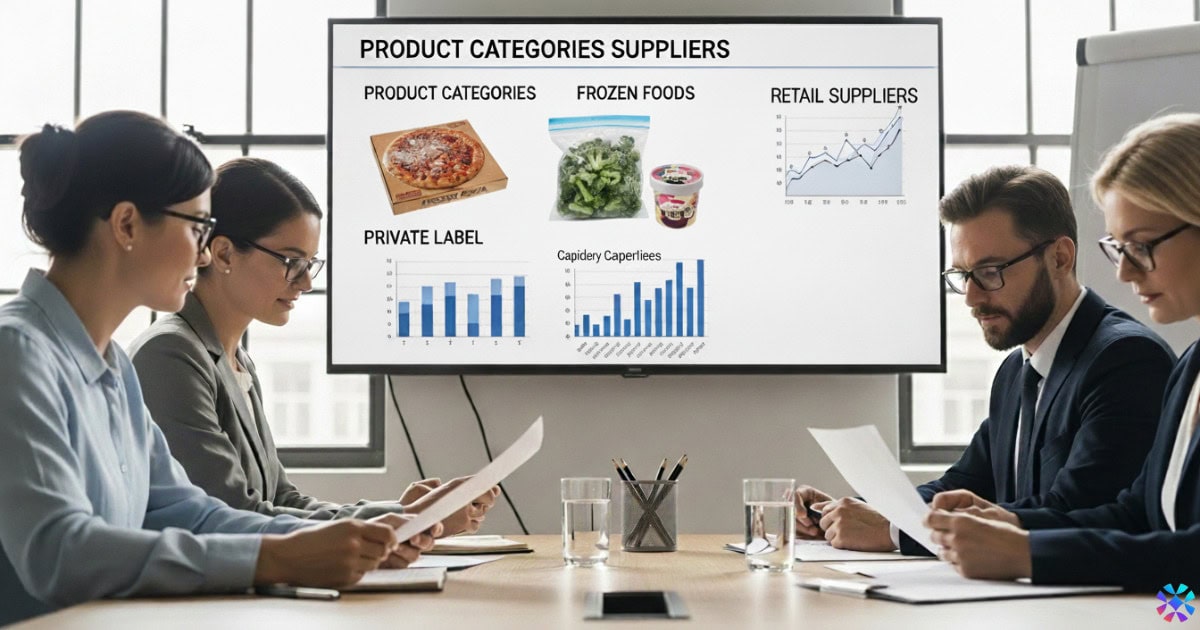
Many of our searches are category-specific from the outset.
From the client’s perspective, category familiarity brings speed, confidence, and credibility—especially in retailer-facing roles.
However, these constraints can significantly narrow the available talent pool and change the candidates that we can present to a client. We might feel a candidate could be a great asset to a supplier team, but if the job descriptions specify experience in a particular category, that is where the search guides us.
The third—and often most decisive—trend is the growing importance of differentiators.
Differentiators are not always listed as required qualifications, but they frequently determine who rises to the top of a shortlist.
In the Walmart supplier world, we regularly see hiring managers prioritize experience such as:
These are not soft skills. They are experiences that reduce execution risk and shorten ramp time.
Companies that operate heavily in these areas often strongly prefer candidates who have “been there before.” That experience, reflected in well-crafted job descriptions, leads to fewer mistakes, faster decision-making, and greater confidence with retail partners.
Importantly, these differentiators rarely just surface. They’re typically identified through targeted search, deep market knowledge, and an understanding of how experience truly translates across companies and categories.
Instead of considering “who can do the job”, many suppliers view it more as “who has done the job”, which makes a big difference.
While candidates can’t control how companies write job descriptions, they can control how they prepare for the market.

Three practical takeaways:
If your role gives you access to new tools, platforms, or data systems, lean into that exposure. Even partial experience compounds over time and increases career flexibility. Scintilla? Power BI? Tableau?
Where possible, seek opportunities to work across:
These experiences become increasingly valuable as requirements narrow.
If you’ve worked with private label, imports, licensing, global manufacturing, or highly specialized categories like frozen or dry grocery, those experiences matter. These experiences often become the deciding factor in competitive searches, so make sure to highlight them in your resume and align them with relevant job descriptions!
Precision in hiring is understandable—and often necessary. But the most successful searches balance specific requirements with a bit of flexibility.
Finding those candidates isn’t accidental. It requires market knowledge, pattern recognition, and the ability to interpret job descriptions beyond a résumé checklist to assess real capability.
This is what we do.
