CPG Recruiters Bentonville AR
479-285-2262

Consumer Packaged Goods (CPG) brands compete in one of the most crowded and fast-moving markets in the United States. Consumers can choose from dozens of similar products both in physical stores and online. Because of this saturation, product quality alone is no longer enough.
To succeed, CPG brands must:
This is where storytelling becomes essential. Strong storytelling helps brands stand out, build credibility, and foster long-term loyalty—whether the product is food, personal care, household goods, or wood-based consumer products.
Trust is one of the most important factors influencing purchasing decisions. Consumers want to know who made the product, why it exists, and what values the brand stands for.
Storytelling humanizes CPG brands by highlighting:
In the U.S., trust expectations can vary by state and region, but transparency and honesty are valued nationwide. Storytelling meets these expectations by turning everyday products into relatable and meaningful choices.
This directly supports connecting with customers through storytelling, helping brands move from being seen as commodities to trusted household names.
👉 Build stronger customer connections through CPG storytelling
Modern consumers—especially Millennials and Gen Z—expect brands to share their values. They care about sustainability, inclusion, and real-world impact, not just pricing or convenience.

A clear CPG brand storytelling strategy allows companies to:
This approach demonstrates how CPG brands connect with consumers in a digital-first economy where social media, reviews, and brand transparency shape buying decisions.
👉 Use brand storytelling to grow trust and loyalty in CPG
Store shelves and online listings are crowded with similar-looking products. Advertising alone is no longer enough to capture attention.
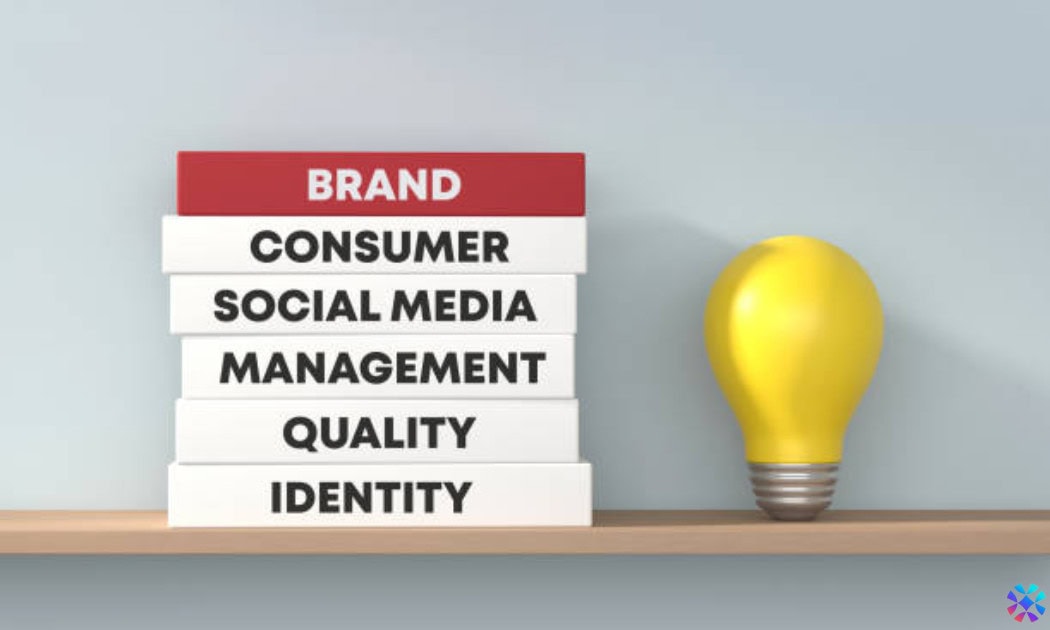
Storytelling helps brands stand out by:
This explains why storytelling matters for CPG brands focused on sustainable, long-term growth rather than one-time sales.
👉 Differentiate your CPG brand with authentic storytelling
Storytelling plays a key role in building strong, lasting relationships within the consumer goods industry. When a brand communicates a clear and consistent story, customers feel more confident in what the brand stands for. Over time, this familiarity creates trust and encourages loyalty.
Consistency is especially important. When people see the same message repeated across different channels, they begin to recognize and remember the brand more easily. This recognition helps turn casual buyers into long-term customers.
Consistency reduces confusion. When messaging changes from one platform to another, customers may question the brand’s credibility. A unified story reassures them that the brand is reliable and intentional.
Consistent storytelling helps brands:
Strong storytelling requires close coordination across teams, platforms, and campaigns to ensure a consistent and unified message. Every customer interaction should reflect the same core message and tone.
Effective storytelling includes:
When storytelling stays consistent, customers know what to expect. This sense of reliability encourages repeat purchases and long-term loyalty. Over time, strong storytelling helps brands move beyond simple transactions and build meaningful relationships that encourage customers to return again and again.
👉 Connect with consumers and drive CPG brand growth
Customer loyalty comes from emotional connection, not just habit. When consumers feel aligned with a brand’s purpose, they are more likely to return.
This strengthens storytelling for CPG customer loyalty across urban, suburban, and rural U.S. markets alike.
👉 Turn your CPG story into lasting customer loyalty
Authentic storytelling helps brands earn trust in a crowded and competitive market. Today’s consumers are more informed, more skeptical, and quicker to question bold or vague claims. When a brand tells a clear, honest story—and backs it up with real action—it stands out in a meaningful way.
Authenticity reduces skepticism because people can easily spot exaggeration or misleading marketing. When a brand’s words match what it actually does, consumers feel more confident choosing that product over others.
Authentic storytelling is not about flashy slogans or vague promises. It is about showing, not telling. Strong, credible storytelling focuses on real actions and measurable impact.
This includes:
In this market, trust plays a direct role in influencing buying decisions. Shoppers often compare similar products on crowded shelves or online listings. When one brand feels honest and transparent, it becomes easier to choose.
Authentic storytelling helps CPG brands:
By consistently communicating real values and real outcomes, brands create credibility that lasts. This trust-driven approach gives brands a sustainable competitive advantage across the United States, helping them connect with consumers who value honesty, accountability, and transparency.
When people believe in the story behind a product, they are more likely to believe in the product itself—and keep coming back.

The right leadership ensures storytelling stays authentic and consistent.
Match Point Recruiting helps CPG companies find leaders who understand branding, storytelling, and growth strategy.
Explore leadership-focused roles that help shape brand narratives and build consumer trust:
👉 https://matchpointrecruiting.com/current-openings/
| Storytelling Element | Business Impact | Consumer Benefit |
| Brand Purpose | Strong differentiation | Emotional connection |
| Consistent Messaging | Higher trust | Clear brand identity |
| Authentic Narratives | Long-term growth | Brand loyalty |
| Leadership Alignment | Scalable success | Reliable experience |

CPG stands for Consumer Packaged Goods. These are everyday products that consumers purchase frequently and replace on a regular basis. They are designed for repeated use and quick replenishment.
repurchase.
In the United States, CPG includes items such as:
For wood-based products, this can include items made from responsibly sourced wood or paper materials that people use every day in homes and businesses.
Storytelling helps brands clearly communicate who they are and why their products matter to consumers. In a large and diverse U.S. market, consumers come from different regions, cultures, and lifestyles. Storytelling creates a shared understanding across these differences.
Effective storytelling helps CPG brands:
This is especially important for wood-based brands that need to clearly explain where their materials come from, how they affect the environment, and the long-term value they provide.
Yes. Storytelling is often more powerful for small and growing brands. It allows them to compete with larger companies without relying on big advertising budgets.
Small CPG brands can use storytelling to:
For wood-based companies, storytelling can clearly explain how products are made, where materials are sourced, and why sustainability truly matters.
Yes. Storytelling directly supports sales by helping consumers feel confident and emotionally connected to a brand.
Strong CPG storytelling can:
When consumers understand and believe in a brand’s story, they are more likely to choose it again.
Leadership plays a critical role in shaping and protecting a brand’s story. Leaders set the tone for how a brand communicates and acts.
Effective leadership ensures:
For brands—especially those offering wood-based products—strong leadership helps preserve credibility and build long-term trust.
In today’s crowded U.S. marketplace, storytelling is no longer optional for brands—it is essential. By building trust, creating emotional connections, and aligning leadership around a clear narrative, CPG companies can achieve sustainable growth. Brands that invest in authentic storytelling position themselves for long-term success across the entire Consumer Packaged Goods industry.
